
Understanding the Importance of Waterproofing in Protecting Your Home
Moisture intrusion can cause significant damage to your home, leading to costly repairs and potential health risks. By implementing effective waterproofing techniques, you can safeguard your home from water damage. These methods help keep moisture out of walls, basements, and other vulnerable areas, ensuring that your living space remains dry and secure. In this article, we will explore various aspects of preventing moisture intrusion through proper waterproofing techniques, including benefits, challenges, solutions, and best practices.
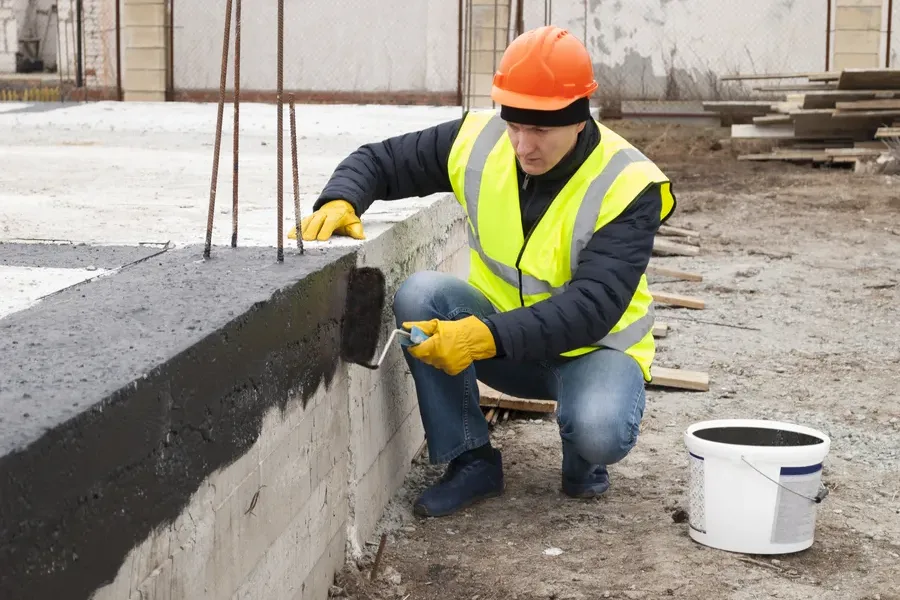
The Benefits of Proper Waterproofing
Waterproofing offers several advantages for homeowners. Firstly, it protects structural integrity by preventing water-related damage. Secondly, it reduces the risk of mold and mildew growth, which can affect indoor air quality. Additionally, waterproofing extends the lifespan of your home’s materials by shielding them from moisture exposure. Lastly, a well-waterproofed home is more energy-efficient as it helps maintain temperature consistency.
Common Challenges in Waterproofing
Despite its importance, many face challenges in achieving effective waterproofing. One common issue is choosing the right materials that suit specific needs. Another challenge is improper installation, which can lead to leaks and further damage. Additionally, some homeowners overlook regular maintenance checks, allowing minor issues to escalate into larger problems.
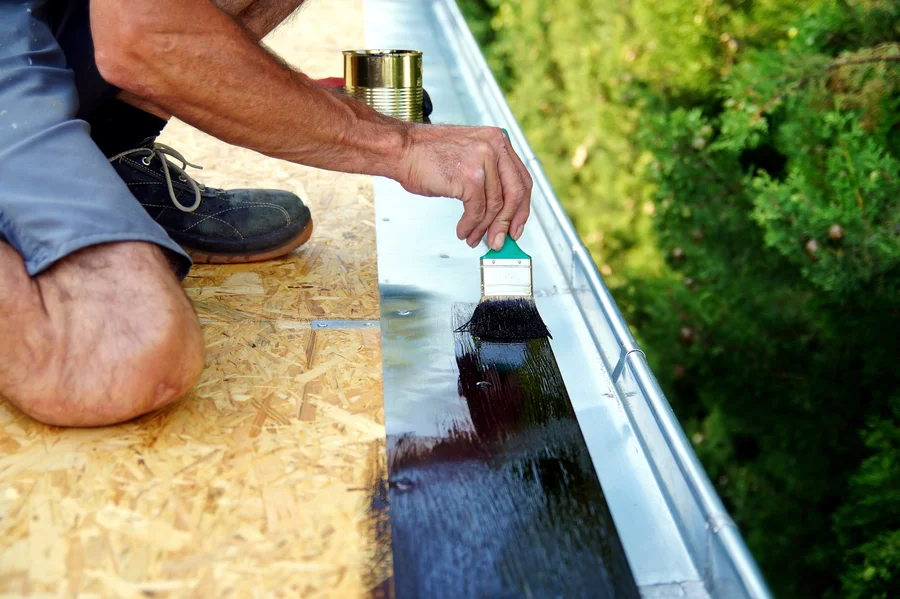
Solutions for Effective Waterproofing
To tackle these challenges, it’s crucial to work with professionals who offer high-quality waterproofing services. They have the expertise to select appropriate materials and ensure correct installation. It’s also important to schedule regular inspections to catch potential issues early. Investing in professional waterproofing services ensures that every aspect of the process is handled with precision.
Best Practices for Waterproofing Success
Implementing best practices enhances the effectiveness of waterproofing efforts. Prioritize using high-quality materials designed for durability and resistance against moisture. Regularly inspect susceptible areas such as roofs and basements for signs of wear or damage. Ensure gutters and downspouts function properly to direct water away from the foundation.
- Use durable waterproof membranes on surfaces prone to moisture exposure
- Maintain clean and functional drainage systems around the property
- Repair cracks in walls or foundations promptly
- Apply weather-resistant sealants on doors and windows
Industry Standards and Requirements for Waterproofing
The construction industry has established standards to guide waterproofing efforts. Compliance with these regulations ensures that materials and methods meet safety and quality benchmarks. Adhering to local building codes is essential for successful waterproofing projects, as they provide guidelines tailored to regional environmental conditions.
Cost Considerations for Waterproofing Projects
Investing in waterproofing involves various cost factors such as material selection, labor fees, and project scope. While initial expenses may seem high, the long-term benefits outweigh the costs by preventing expensive repairs caused by water damage. Assessing potential return on investment (ROI) helps make informed decisions about budget allocation for waterproofing initiatives.
Expert Recommendations for Successful Waterproofing
For optimal results in preventing moisture intrusion with proper waterproofing techniques, prioritize collaboration with experienced professionals like NorthWest Stucco. Their expertise ensures efficient implementation of strategies tailored to unique property needs. Located in Houston, TX, their team delivers exceptional service dedicated to achieving lasting protection against water-related issues. Reach out at (832) 340-9456 today to learn more about safeguarding your home.